
Artificial intelligence is no longer just a futuristic idea. Today, AI is part of everyday life, from voice assistants and recommendation systems to medical diagnostics and smart devices. Understanding the AI trends shaping the future of artificial intelligence helps businesses, professionals, and technology enthusiasts stay ahead in an increasingly digital world.
AI is transforming industries by improving efficiency, automating complex processes and unlocking powerful insights from data. Some of the key benefits of modern AI technologies include:
- Faster decision-making through data analysis
- Automation of repetitive tasks
- Improved customer experiences
- Increased productivity in businesses
These innovations are only the beginning of what AI can achieve.
1. The Rise of Generative AI
One of the most exciting AI trends shaping the future of artificial intelligence today is generative AI. Unlike traditional AI systems that only analyze data, generative AI can create entirely new content such as text, images, videos and even code.
For example: businesses use generative AI tools to improve productivity in several ways:
- Writing marketing content and blog articles
- Creating digital artwork and design concepts
- Generating software code for developers
- Producing automated reports and summaries
A real-world example is Chat GPT, which helps companies write content and assist with customer communication. Tools like Midjourney and DALL·E are also helping designers generate creative visuals quickly.

Case Study: How Generative AI Helps Teams Work Smarter
A small marketing agency uses generative AI to create blog outlines and content ideas.
Writers generate first drafts for blog posts, emails, and social media content quickly.
Team members edit and refine the AI-generated content to match their brand voice.
Developers use AI tools to get coding suggestions and solve programming issues faster.
This process helps teams focus more on creativity, strategy, and decision-making.
2. AI-Powered Automation in Business
Automation powered by artificial intelligence is transforming the way companies operate and is one of the key AI trends shaping the future of artificial intelligence. Instead of relying only on human labor for repetitive tasks, businesses now use intelligent systems to streamline operations.
Common uses of AI automation include:
- Customer support chatbots that answer questions instantly
- Email marketing automation for personalized campaigns
- Inventory management systems that track stock levels
- Financial forecasting tools that analyze sales data
A real-life example is Amazon, which uses AI-powered robots in warehouses to organize products and speed up deliveries. This allows employees to focus on more strategic tasks while machines handle routine operations.
3. AI in Healthcare and Medical Innovation
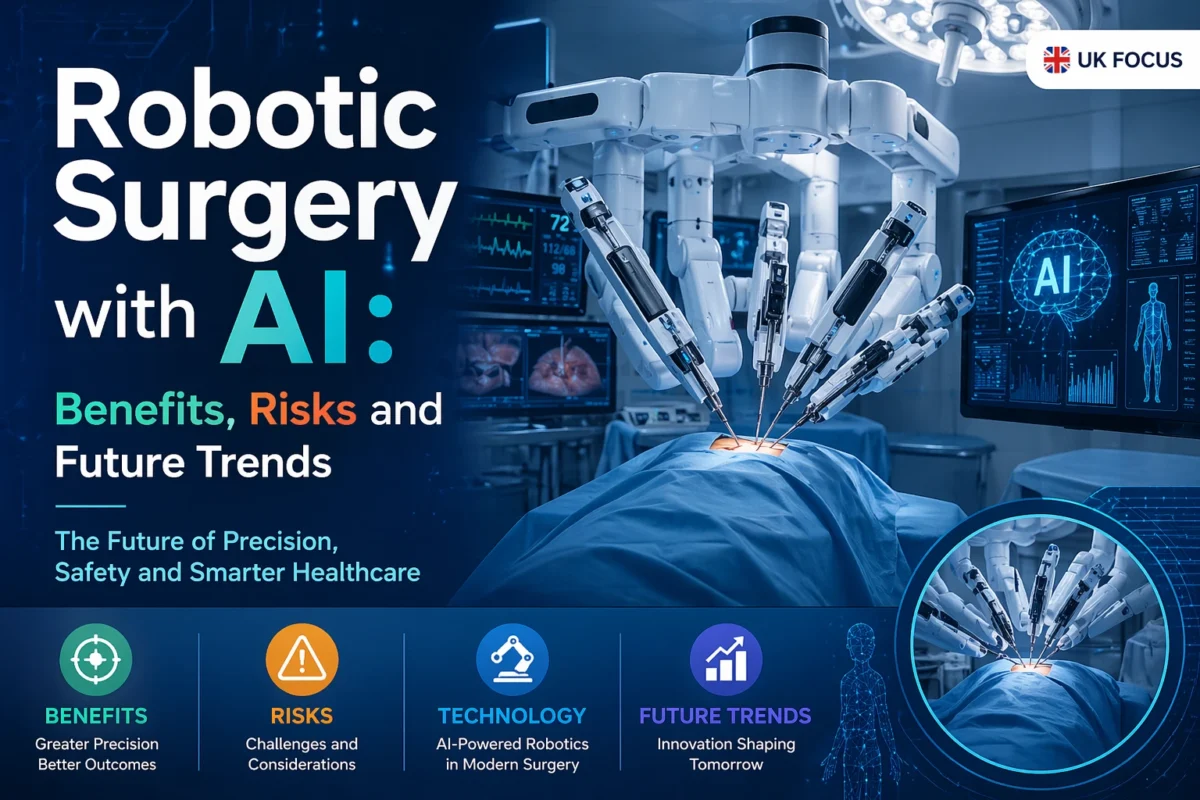
Artificial intelligence is playing a major role in improving healthcare and is one of the key AI trends shaping the future of artificial intelligence. Doctors and researchers now use AI tools to analyze large amounts of medical data quickly and accurately.
Some important healthcare applications of AI include:
- Detecting diseases earlier using medical imaging analysis
- Accelerating drug discovery and research
- Creating personalized treatment plans for patients
- Predicting potential health risks using patient data
For instance, Google DeepMind developed an AI system capable of detecting eye diseases by analyzing retinal scans. In many cases, the system can identify conditions as accurately as experienced specialists.
4. AI-Powered Cybersecurity
Cybersecurity threats are becoming more advanced every year, making AI an essential tool for protecting digital systems and a key part of AI trends shaping the future of artificial intelligence. AI-powered security platforms can analyze network activity, identify unusual patterns and detect suspicious behavior instantly, helping organizations prevent cyber attacks before serious damage occurs.
Organizations use AI in cybersecurity to:
- Detect unusual network patterns that may signal attacks
- Identify malware and ransomware threats
- Automatically respond to potential security breaches
- Monitor system activity 24/7 without human intervention
Companies such as Darktrace use machine learning algorithms to detect cyber threats in real time, helping businesses protect sensitive data.
5. Edge AI and Smart Devices
Edge AI is another important AI trend shaping the future of artificial intelligence. Instead of sending data to cloud servers for processing, edge AI allows devices to analyze information locally, making systems faster and more secure.
This technology powers many smart devices we use daily, including:
- Smartphones with facial recognition
- Smart home cameras detecting movement
- Autonomous vehicles analyzing road conditions
- Industrial machines monitoring equipment health
For example: Apple’s Face ID technology uses on-device AI to recognize users securely without sending biometric data to external servers.
6. Multimodal AI Systems
Traditional AI models typically process only one type of data at a time. However, modern systems are becoming multimodal, meaning they can analyze text, images, audio and video simultaneously. This advancement represents an important development among AI trends shaping the future of artificial intelligence.
This capability enables advanced applications such as:
- Image recognition combined with text search
- Voice assistants that understand context better
- AI-powered translation tools
- Advanced visual search technologies
A popular example is Google Lens, which allows users to scan objects with their phone camera and receive instant information about them.
7. Ethical and Responsible AI Development
As artificial intelligence becomes more powerful, ethical concerns are gaining attention. Developing ethical frameworks is becoming one of the key AI trends shaping the future of artificial intelligence. Organizations are now focusing on building responsible AI systems that are transparent, fair, and unbiased.
Responsible AI development includes:
- Reducing algorithm bias
- Protecting user privacy
- Ensuring transparency in AI decisions
- Following ethical technology standards
Major companies like Microsoft and IBM are investing heavily in ethical AI frameworks to ensure artificial intelligence benefits society responsibly.
8. AI in Education
Artificial intelligence is also transforming the education sector by personalizing learning experiences, making it another important example of AI trends shaping the future of artificial intelligence. AI-powered platforms can adapt lessons based on a student’s progress and learning style.
Examples include:
- AI-powered tutoring systems
- Personalized learning platforms
- Automated grading tools
- Language learning apps like Duolingo
These tools help educators provide better support while improving student engagement and learning outcomes.
9. Human–AI Collaboration
Rather than replacing humans, AI is increasingly designed to work alongside people. Human–AI collaboration is becoming one of the most impactful AI trends shaping the future of artificial intelligence.
For instance:
- Developers use GitHub Copilot for coding assistance
- Designers use AI tools for creative concepts
- Businesses use AI analytics for data insights
This collaboration allows professionals to enhance creativity, productivity and decision-making in the workplace.

10. AI in Smart Cities
Artificial intelligence is helping cities become more efficient and sustainable. Smart city innovation represents one of the fastest-growing AI trends shaping the future of artificial intelligence.
AI is being used for:
- Traffic management systems
- Energy optimization
- Waste management automation
- Public safety monitoring
Cities like Singapore are already using AI-driven systems to manage traffic and reduce congestion, improving urban living and sustainability.
Comparison of AI Trends Shaping the Future of Artificial Intelligence
| AI Trend | Purpose | Real-Life Example | Key Benefit |
| Generative AI | Creates new content like text, images, and code | ChatGPT, DALL·E | Faster content creation |
| AI Automation | Automates repetitive business tasks | Amazon warehouse robots | Increased efficiency |
| AI in Healthcare | Improves medical diagnosis and treatment | Google DeepMind | Early disease detection |
| AI Cybersecurity | Protects digital systems from cyber threats | Darktrace security AI | Faster threat detection |
| Edge AI | Processes data directly on devices | Apple Face ID | Faster processing & privacy |
| Multimodal AI | Analyzes multiple data types simultaneously | Google Lens | Better contextual understanding |
| Ethical AI | Ensures responsible AI development | Microsoft AI ethics framework | Fair and transparent AI |
| AI in Education | Personalizes learning experiences | Duolingo | Improved student engagement |
| Human–AI Collaboration | Enhances productivity with AI assistance | GitHub Copilot | Better decision-making |
| AI in Smart Cities | Improves urban infrastructure | Singapore smart traffic systems | Efficient city management |
Conclusion
Artificial intelligence is transforming industries faster than ever before. From generative AI tools and intelligent automation to healthcare breakthroughs and smart city innovations, these technologies are redefining how businesses and societies operate. Understanding the AI trends shaping the future of artificial intelligence helps professionals and organizations stay competitive in a rapidly evolving digital world. AI is improving productivity, enabling data-driven decisions, and creating new opportunities across industries. As technology advances, human–AI collaboration, ethical AI development and smarter automation will continue to shape the next generation of innovation. The AI revolution is already underway and those who embrace these trends today will be better prepared for the future of technology.
FAQs
1. What are the biggest AI trends today?
Major AI trends include generative AI, AI automation, multimodal AI systems, AI-powered cybersecurity and edge AI technologies.
2. How is AI used in everyday life?
AI is used in voice assistants, recommendation systems, navigation apps, smart home devices and personalized online services.
3. Will artificial intelligence replace jobs?
AI is more likely to transform jobs rather than replace them completely. Many roles will evolve to include AI-assisted tools.
4. Which industries benefit most from AI?
Industries such as healthcare, finance, retail, manufacturing and education benefit significantly from AI technologies.
5. What is the future of artificial intelligence?
The future of AI includes smarter automation, advanced robotics, autonomous transportation and more personalized digital experiences.
Call to Action
Artificial intelligence is evolving rapidly, and understanding these trends can help you stay ahead of the curve. Start exploring how AI can improve your business, career, or daily life and stay informed about the latest AI innovations shaping the future of technology.
Want to learn more about emerging technologies and innovation? Keep reading Writac for expert insights, practical ideas and the latest updates on AI and digital transformation. Subscribe to Writac today and stay ahead in the fast-changing world of technology.