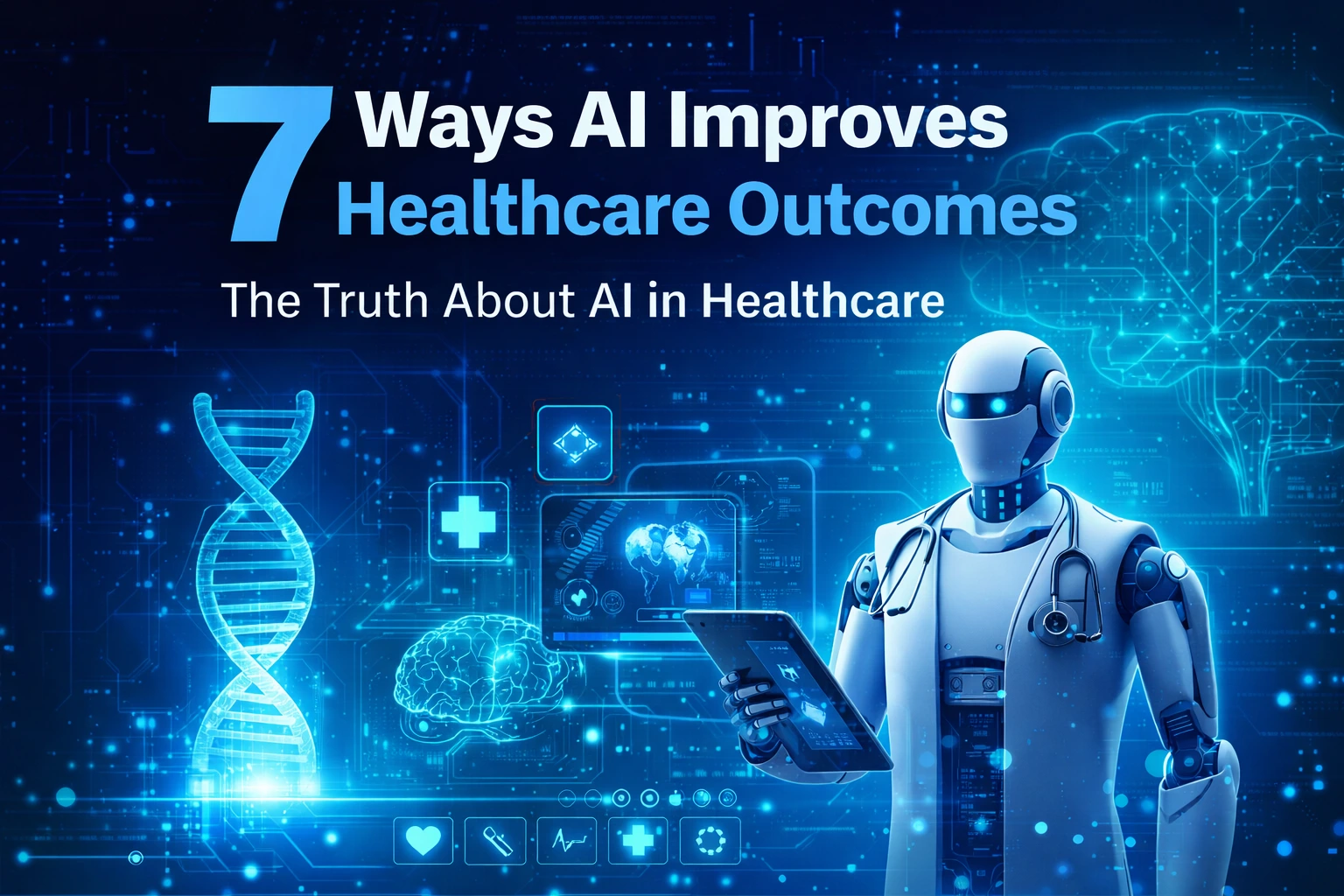
7 Ways AI Improves Healthcare Outcomes: The Truth About AI in Healthcare

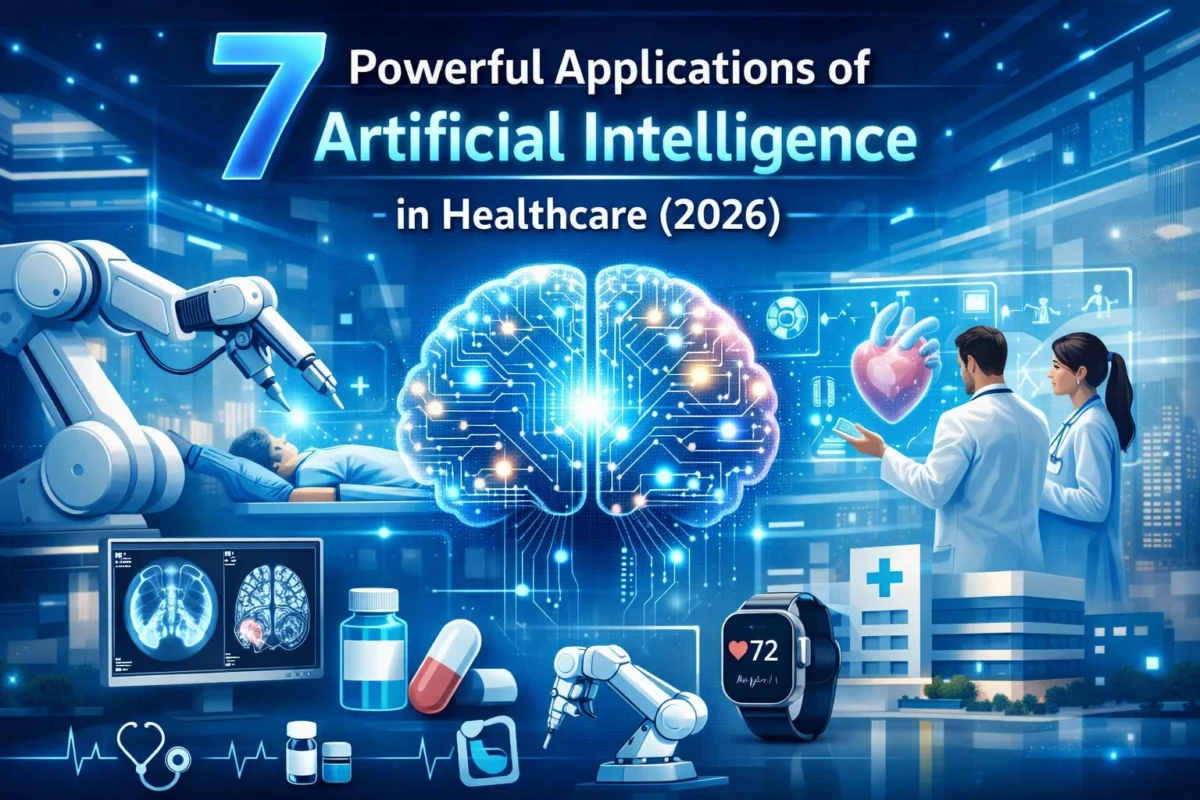
In recent years, artificial intelligence (AI) has become one of the most transformative forces in modern medicine. From diagnosing diseases to managing patient care, AI is reshaping how healthcare systems operate worldwide.
But the real question is: Can AI truly transform healthcare, or is it just another passing trend?
The answer depends on how effectively it’s integrated into modern medical systems. Today, AI isn’t just supporting doctors, it’s enhancing decision-making, improving diagnostic accuracy and helping deliver better patient care.
In this article, we explore 7 powerful ways AI is reshaping healthcare, along with the truth about its benefits, limitations and future impact.
What Are Healthcare Outcomes?
Before diving into AI, it’s important to understand what this really means in the context of healthcare.
In simple terms, it refers to the results of medical care, how well patients recover, how effectively diseases are prevented and how treatments impact overall quality of life.
This includes:
- Patient recovery rates
- Success in disease prevention
- Effectiveness of treatments
- Quality of life after care
At its core, improving these results means delivering better care, minimizing errors and helping people live longer, healthier lives.
1. Early Disease Detection Improves Healthcare Outcomes
One of the biggest advantages of AI is its ability to detect diseases early.
AI systems can analyze medical images like X-rays, MRIs and CT scans faster and often more accurately than humans. This leads to earlier diagnosis of serious conditions such as:
- Cancer
- Heart disease
- Brain disorders
Impact :
- Early treatment increases survival rates
- Reduces complications
- Lowers long-term healthcare costs
For example, AI tools can detect early-stage tumors that might be missed by the human eye, significantly improving healthcare outcomes.
2. Personalized Treatment Enhances Patient Outcomes
AI enables personalized healthcare, which is a major breakthrough in improving healthcare outcomes.
Instead of using general treatment plans, AI analyzes:
- Patient history
- Genetic data
- Lifestyle factors
This allows doctors to create customized treatment plans tailored to each patient.
Benefits:
- Higher treatment success rates
- Fewer side effects
- Faster recovery
Personalized medicine is especially impactful in cancer care, where AI helps identify the most effective therapies for individual patients.
3. Accurate Diagnosis Reduces Medical Errors
Medical errors are a major challenge in healthcare systems. AI helps reduce these errors by providing data-driven insights.
AI can process vast amounts of medical data within seconds, assisting doctors in making accurate diagnoses.
How It Improves Healthcare Outcomes:
- Reduces misdiagnosis
- Improves decision-making
- Enhances patient safety
AI-powered diagnostic tools act as a second opinion, ensuring more reliable and consistent results.
4. Remote Monitoring Improves Continuous Care
AI-powered devices and wearables are transforming how patients are monitored.
These tools track vital signs such as:
- Heart rate
- Blood pressure
- Oxygen levels
Benefits :
- Real-time health tracking
- Early detection of health issues
- Reduced hospital visits
For example, AI-enabled smart devices can alert patients and doctors about irregular heart rhythms, preventing serious complications.
5. Faster Drug Discovery Saves Lives
Developing new medicines traditionally takes years. AI is changing this by speeding up the drug discovery process.
AI analyzes biological and chemical data to identify potential treatments much faster.
Impact on Healthcare Outcomes:
- Faster availability of life-saving drugs
- Reduced research costs
- Improved treatment options
During global health crises, AI has played a key role in accelerating vaccine development and testing.
6. AI Streamlines Healthcare Operations
AI doesn’t just improve clinical care, it also enhances hospital efficiency, which indirectly improves healthcare outcomes.
AI can automate tasks such as:
- Appointment scheduling
- Medical record management
- Billing and documentation
Results:
- Reduced workload for healthcare staff
- More time for patient care
- Improved hospital performance
When healthcare providers can focus more on patients, overall healthcare outcomes improve significantly.
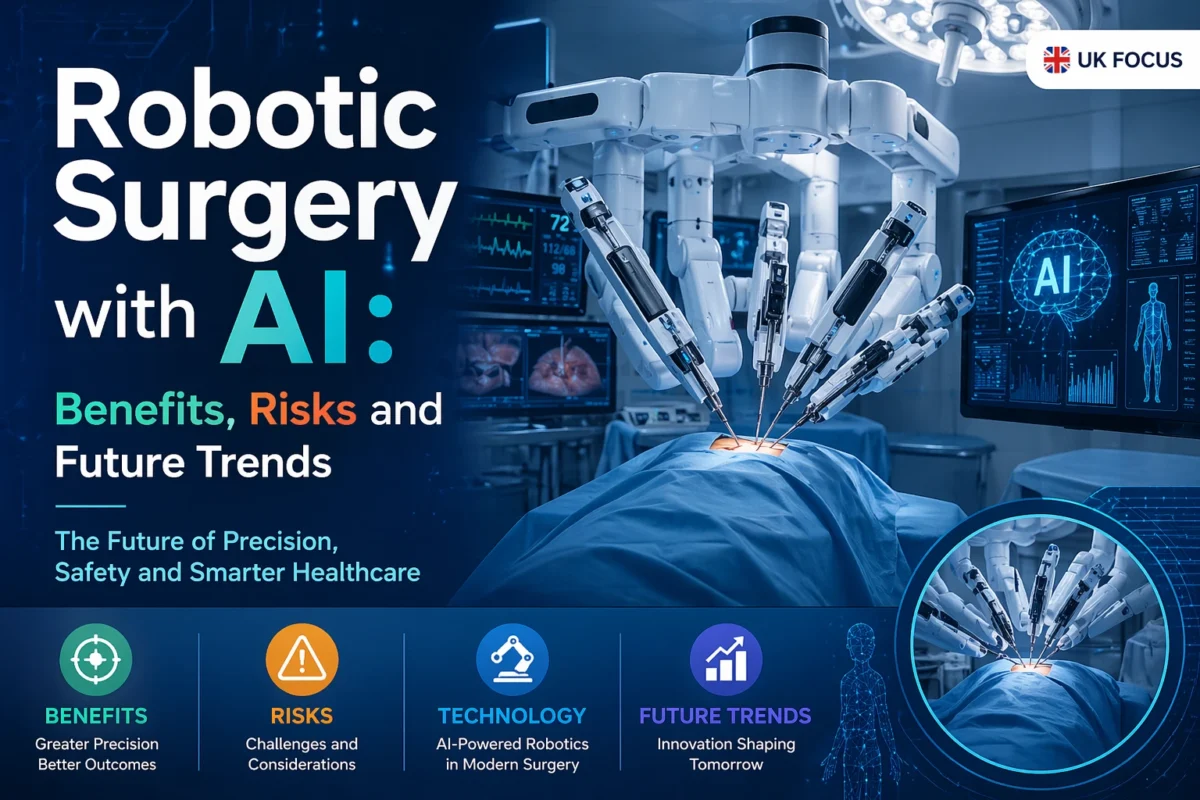
7. Robotic Surgery Improves Precision and Recovery
AI-powered robotic systems are revolutionizing surgery.
These systems assist surgeons in performing complex procedures with greater precision and control.
Benefits:
- Smaller incisions
- Less pain and blood loss
- Faster recovery time
Robotic-assisted surgeries lead to fewer complications and better post-surgery healthcare outcomes.
The Truth About AI in Healthcare
While AI is improving healthcare outcomes, it’s important to understand that it is not perfect.
1. Data Privacy Concerns
AI depends on large datasets, raising concerns about patient data security.
2. High Costs
Implementing AI technology can be expensive, especially for smaller healthcare systems.
3. Lack of Human Touch
AI cannot replace human empathy, which is essential in patient care.
4. Algorithm Bias
If AI systems are trained on biased data, it can lead to unfair or inaccurate results.
Future of AI in Healthcare :
The future of AI in healthcare is extremely promising.
We can expect:
- Predictive analytics for disease prevention
- AI-powered telemedicine
- Advanced robotic procedures
- Real-time global health monitoring
As technology evolves, AI will continue to play a critical role in improving healthcare outcomes worldwide.
Conclusion
So, can AI improve healthcare outcomes?
The answer is a clear yes.
AI is already transforming healthcare by enabling earlier diagnoses, more personalized treatments, and faster, more efficient care delivery. While challenges still exist, the benefits are clearly reshaping the way care is provided.
The truth is simple:
AI isn’t replacing doctors—it’s empowering them.
By enhancing their capabilities, AI helps medical professionals make better decisions, reduce errors and provide higher-quality care to patients.
As AI continues to evolve, it’s set to become an essential force in building a smarter, more efficient and patient-focused healthcare system.
FAQs
1. How does AI improve healthcare outcomes?
AI is transforming healthcare through early detection, accurate diagnosis, personalized treatments and real-time monitoring, helping doctors make better decisions and improve patient recovery.
2. Is AI in healthcare safe and reliable?
AI in healthcare is generally safe when properly implemented. However, it depends on high-quality data and human oversight to ensure accurate and unbiased results.
3. Can AI replace doctors in the future?
No, AI cannot replace doctors. It is designed to assist healthcare professionals, not replace them. Human expertise, empathy and judgment remain essential in patient care.
4. What are the biggest challenges of AI in healthcare?
The main challenges include data privacy concerns, high implementation costs, potential bias in algorithms and the need for skilled professionals to manage AI systems.
5. What is the future of AI in healthcare outcomes?
The future of AI in healthcare includes predictive analytics, advanced robotic surgeries, AI-powered telemedicine and more personalized treatments, all contributing to better healthcare outcomes globally.
Call to Action
Knowledge is power— keep learning. Browse more in-depth blogs on Writac and stay updated on the latest in AI, healthcare and beyond.