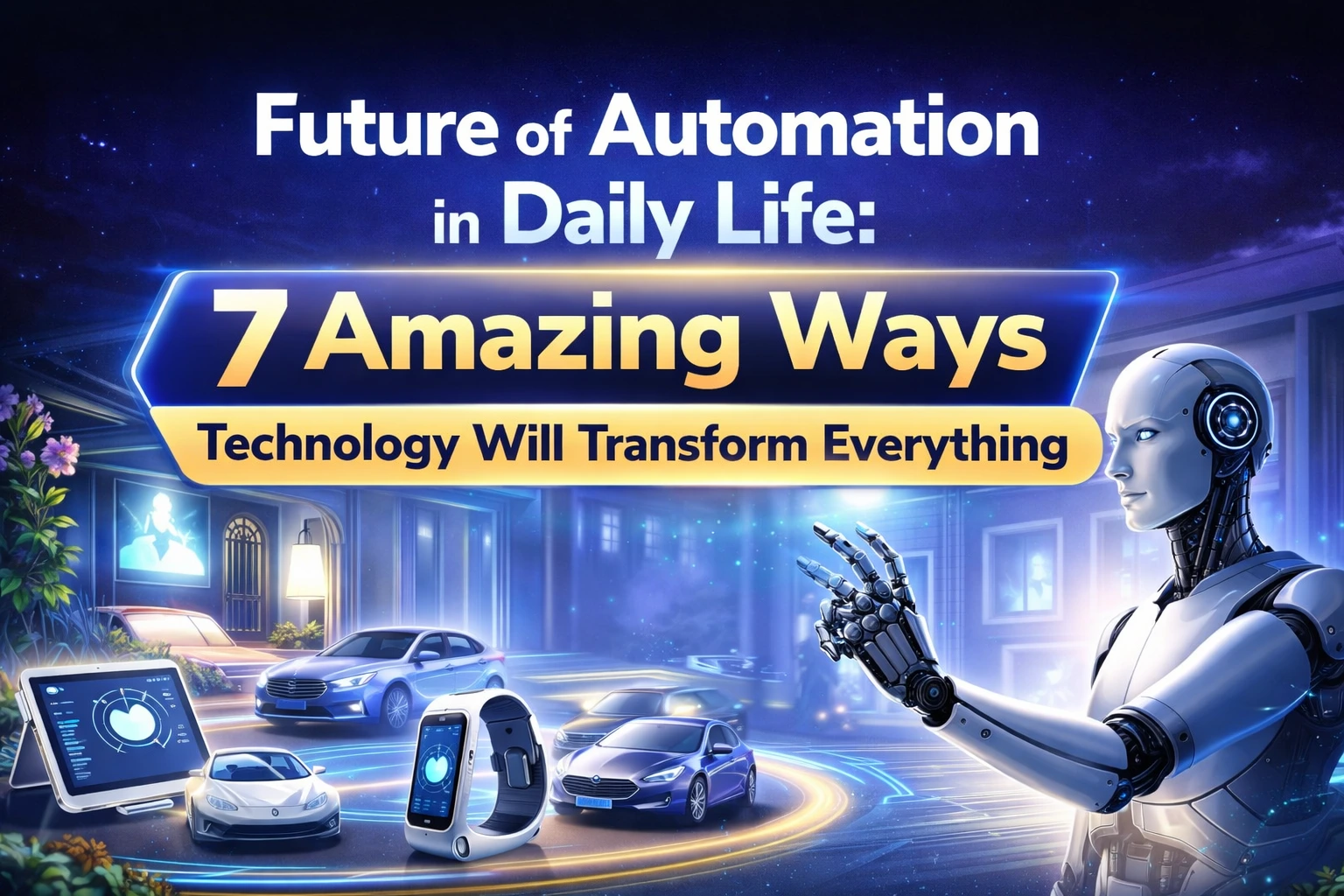
Future of Automation in Daily Life: 7 Amazing Ways Technology Will Transform Everything

Technology is evolving faster than ever and automation is becoming a core part of our everyday lives. From smart homes to self-driving cars, the Future of Automation in Daily Life is no longer a distant concept, it is already happening around us. As we move toward a more connected and intelligent world, automation is set to redefine how we live, work and interact.
Automation powered by artificial intelligence (AI), machine learning and robotics is simplifying tasks, saving time and improving efficiency. Whether it’s managing your daily schedule or controlling your home with a single command, automation is making life easier and more convenient.
In this blog, we will explore 7 amazing ways technology will transform daily life and what the future holds for individuals and society.
What is Automation in Daily Life?
Automation in daily life refers to the use of technology to perform routine tasks without human intervention. These systems use AI and smart algorithms to understand user behavior and execute tasks efficiently.
Examples of Automation:
- Smart assistants like Alexa and Google Assistant
- Automated home systems
- AI-based recommendation systems
Automation helps reduce effort, improve accuracy and enhance convenience.
Why Automation is Important in Modern Life
The Future of Automation in Daily Life is important because it improves efficiency and quality of life.
Key Benefits:
- Saves time
- Reduces human effort
- Improves accuracy
- Enhances convenience
Example:
Smart thermostats adjust temperature automatically based on user preferences. Automation is not just about technology, it’s about improving everyday experiences.
7 Amazing Ways Automation Will Transform Daily Life
Automation is rapidly transforming everyday life by making tasks faster, smarter and more efficient. From smart homes to AI tools, technology is reshaping how we live, work and interact daily.
1. Smart Homes and Living Spaces
Smart homes are one of the biggest examples of automation in daily life.
Features:
- Voice-controlled devices
- Automated lighting and temperature
- Smart security systems
Example:
You can control lights, fans and appliances using your smartphone or voice commands. Smart homes make life more comfortable, secure and energy-efficient.
2. Automated Transportation
Transportation is undergoing a major transformation with automation.
Key Developments:
- Self-driving cars
- AI-powered traffic systems
- Smart navigation
Example:
Companies like Tesla are developing autonomous vehicles that reduce human driving effort. Automation will make travel safer and more efficient.
3. AI in Healthcare
Healthcare is being revolutionized by automation.
Applications:
- AI diagnosis
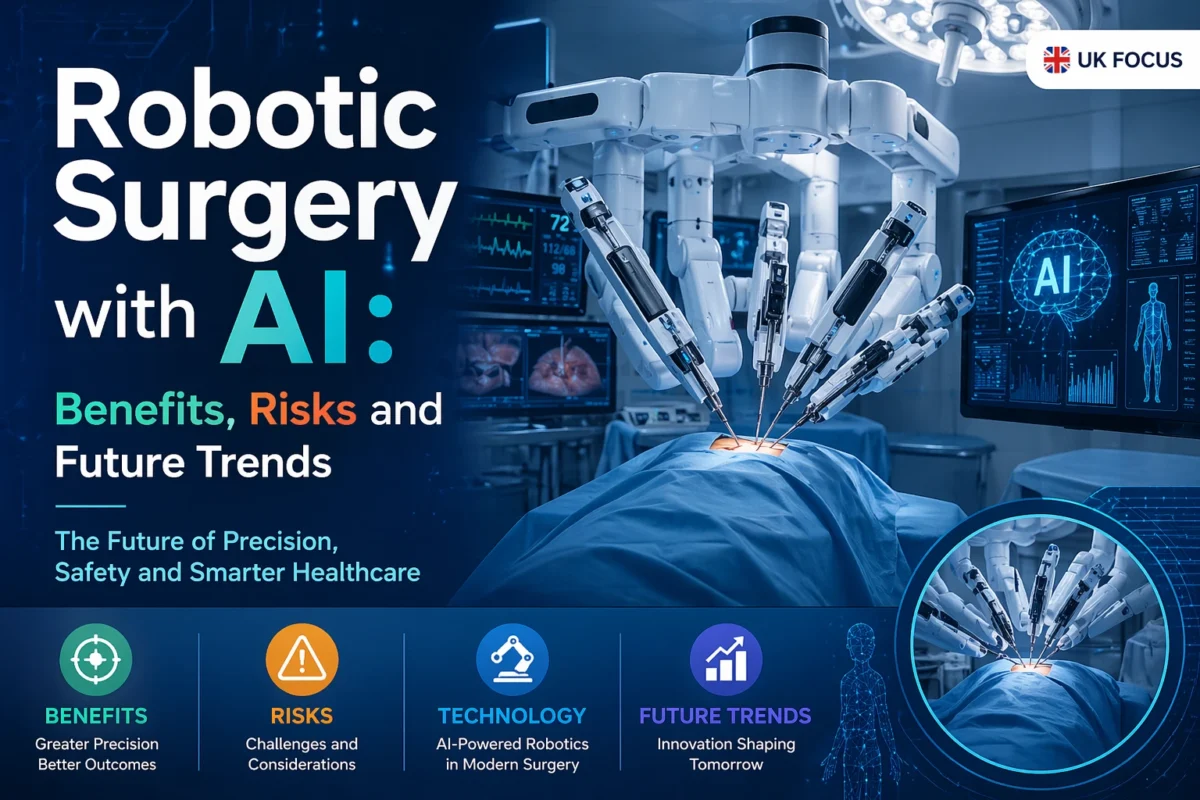
- Robotic surgeries
- Health monitoring devices
Example:
Wearable devices track health data and alert users about potential issues. Automation improves patient care and saves lives.
4. Personalized Shopping Experience
Automation is transforming the way we shop.
Features:
- Product recommendations
- Automated checkout
- AI-driven customer insights
Example:
E-commerce platforms suggest products based on user preferences. Shopping becomes faster, easier and more personalized.
5. Smart Work and Productivity Tools
Automation is improving productivity in daily work.
Tools:
- AI writing assistants
- Task automation apps
- Virtual meeting tools
Example:
AI tools help create content, manage schedules and automate workflows. Automation allows people to focus on more important tasks.
6. Education and Learning Automation
Education is becoming more personalized through automation.
Features:
- AI tutors
- Adaptive learning systems
- Online education platforms
Example:
AI-powered platforms adjust learning content based on student performance. Automation makes education more accessible and effective.
7. Entertainment and Lifestyle Automation
Automation is enhancing entertainment and lifestyle experiences.
Applications:
- AI-generated content
- Streaming recommendations
- Smart entertainment systems
Example:
Netflix recommends shows based on your viewing history. Automation creates a more engaging and personalized experience.
Comparison Table: Traditional Life vs Automated Life
| Feature | Traditional Life | Automated Life |
| Daily Tasks | Manual | Automated |
| Time Management | Limited | Efficient |
| Convenience | Moderate | High |
| Accuracy | Variable | High |
| Personalization | Low | High |
Benefits of Automation in Daily Life
The Future of Automation in Daily Life brings numerous benefits.
Key Advantages:
- Time-saving
- Increased productivity
- Better decision-making
- Improved lifestyle
Example:
Automation reduces the need for repetitive tasks, allowing people to focus on creativity.
Challenges of Automation
Despite its advantages, the Future of Automation in Daily Life also brings challenges that individuals and society must address.
Major Concerns:
- Privacy issues
- Job displacement
- Dependence on technology
- Security risks
Example:
Smart devices collect user data, raising privacy concerns. It is important to balance innovation with ethical considerations.
Real-World Examples of Automation
The Future of Automation in Daily Life shows that automation is already part of everyday life, transforming how we perform daily tasks and interact with technology.
Examples:
- Smart homes
- Online shopping platforms
- AI-powered assistants
- Automated banking systems
These technologies show how automation is becoming essential.
Future Trends in Automation
The future of automation will bring even more advanced technologies.
What to Expect:
- Fully automated homes
- AI-driven cities
- Advanced robotics
- Hyper-personalization
The Future of Automation in Daily Life will continue to evolve rapidly.
Impact on Society
The Future of Automation in Daily Life will significantly impact society, transforming how people live, work and interact.
Positive Impacts:
- Improved quality of life
- Better healthcare
- Increased efficiency
Negative Impacts:
- Job changes
- Technology dependence
Balancing these impacts is crucial for a sustainable future.
How to Prepare for an Automated Future
To adapt to the future, individuals must embrace change.
Tips:
- Learn new skills
- Stay updated with technology
- Use automation tools
Example:
Learning AI tools can improve career opportunities. Preparation is key to success in an automated world.
Conclusion
The Future of Automation in Daily Life is transforming how we live, work and interact. From smart homes to AI-powered healthcare, automation is making life more convenient and efficient.
While challenges exist, the benefits of automation far outweigh the risks. By embracing technology and adapting to change, individuals can take full advantage of this transformation.
Automation is not just the future, it is the present, shaping a smarter and more connected world.
FAQs
1. What is automation in daily life?
It refers to using technology to perform routine tasks automatically.
2. How will automation change daily life?
It will make life easier, faster and more efficient.
3. Is automation safe?
Yes, but it requires proper security and privacy measures.
4. Will automation replace humans?
Automation will assist humans, not completely replace them.
5. What is the future of automation?
The future includes smart homes, AI-driven systems and advanced robotics.
Call to Action
Ready to explore how automation is transforming everyday life?
Visit Writac for expert insights on AI, technology and future trends. Stay informed, upgrade your knowledge and be part of the automated future.